
Canada's mining sector is undergoing a period of accelerated growth and transformation, fueled by the global transition to low-carbon energy systems, surging demand for critical minerals, and significant investments in digitization, automation, and sustainability. In Ontario and across the country, major mining developments, such as those in the Ring of Fire and new underground expansions at legacy sites, have amplified the need for a technically skilled and professionally trained workforce. The MEng Emphasis in Mining Engineering provides a focused, professionally oriented pathway designed to meet the needs of recent graduates, working professionals, and international students seeking advanced technical training aligned with the demands of today's mining industry. The curriculum draws on the Department's strengths in geomechanics, rock engineering, numerical modelling, mine optimization, mine waste, and environmental systems, complemented by a suite of industry-facing courses covering mining economics and finance, exploration and resource estimation, environmental, social and governance (ESG) considerations, and the construction and development of mining projects. Whether your interests lie in mine design, rock engineering, mine waste, numerical modelling, or environmental systems, this emphasis equips you to lead and innovate across the entire mine life cycle.
Meet your Instructors

Giuliano Pretti
Assistant ProfessorNumerical modelling of solids and soils

Minghan Xu
Assistant ProfessorEnergy, Sustainable Mining

Lesley Warren
ProfessorEnvironmental assessment and reclamation of water resources associated with mining practices; wastewater analysis and remediation

Kamran Esmaeili
ProfessorMine to Mill Process Optimization: Development of smart modeling solutions for the mining industry

John Hadjigeorgiou
ProfessorGround Support/Rock Mass Characterization: Behaviour of veined rock masses/surface mining

Sebastian Goodfellow
Assistant Professor(Experimental) Rock Mechanics and Rock Physics / Bioinformatics: Applied seismology/ultrasonic and acoustic emission testing
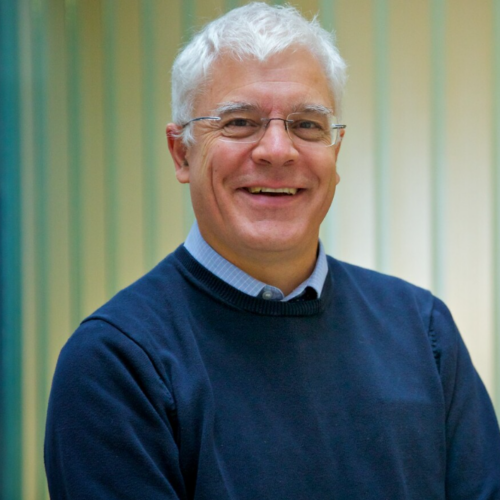
John Harrison
ProfessorMining Engineering and Rock Mechanics: Rock engineering

Giovanni Grasselli
ProfessorHydraulic Fracturing/Rock Mechanics: Flow and transport in fractured porous media

Trevor Carey
Assistant ProfessorGeotechnical Engineering

Mason Ghafghazi
Associate ProfessorNumerical and Physical Modelling of Geotechnical Processes: Constitutive modelling of soils/behaviour of gravelly soils

Prof. Sebastian Goodfellow
Meet your Coordinator
As coordinator of the Mining Engineering Emphasis, my goal is to help you choose the right courses to support your professional goals and connect you with industry partners so you're ready to hit the ground running in a sector that has never been hungrier for talent. For nearly a decade, I've worked with a technology startup building digital products and data-driven solutions for the mining industry, working with most of the world's major mining companies. The guidance I can give you comes from first-hand, ongoing experience of what the industry actually needs. In addition to helping you navigate the MEng program, I’m always happy to discuss your interests in mining research as well.
Requirements
The Emphasis in Mining Engineering is an optional component of Master of Engineering (MEng) in Civil & Mineral Engineering
To complete the emphasis you must complete 4 courses (2.0 FCE) from the list of courses.
- Other courses may be considered but would require approval from the Emphasis Coordinator
- With approval, one or two courses may be replaced by an MEng Project: CIV1001H (0.5 FCE) or CIV1002Y (1.0 FCE)
Explore course descriptions and timetables
Note that not all courses will be offered every year.
Featured Courses

CIV1497H - Economics & Finance in Mining
Instructor: Kamran Esmaeili
CIV1497H delves into the intersection of economics and finance within the mining industry. Through a blend of theoretical frameworks and practical mining case studies, you'll explore the unique economic dynamics of mining projects and operating mining companies, from commodity market analysis to the valuation of mineral assets. The course emphasizes the economic principles and financial strategies essential for success in the mining industry, focusing on market analysis, project valuation, and investment decision-making. Taught from an industry perspective, it equips engineers to speak the language of investors, boards, and project finance teams, and to understand how technical decisions shape the economics of a mining project.
MIN520H1 - Mine Optimization
Instructor: Kamran Esmaeili
MIN520H1 introduces the principles and fundamental concepts involved in optimizing the many aspects of mineral resource extraction. You'll explore the key sources of uncertainty that affect a final mine plan and design, including orebody, technological, and economic uncertainties, and learn stochastic simulation techniques for quantifying uncertainty and managing risk. The course also covers strategies for optimizing mine production and performance, from delaying or eliminating waste stripping to more efficient resource use through better blending and cut-off grade decisions, culminating in a holistic, mine-to-mill view of process optimization. By the end of the course, you will be able to quantify the uncertainties that shape a mine plan and make design and production decisions that maximize value across the life of a mine.
Sample Projects
MEng students have the option of tackling real-world engineering challenges and applying their coursework knowledge by engaging in a project under the guidance of a CivMin professor. A project offers the invaluable opportunity to collaborate with experts and develop innovative solutions, enhancing a student's technical competence and preparing them for the complexities of future engineering careers. Additionally, the project can serve as a cornerstone for building a professional portfolio and showcasing capabilities to potential employers.
A CivMin MEng project is a dynamic experiential learning opportunity providing hands-on experience that can significantly boost employability and confidence as students transition into the engineering workforce. For more details, please refer to the MEng program requirements.
Explore potential future projects and envision how an MEng project could be a transformative experience in your engineering education and career. Current opportunities can be found on the MEng Project Opportunities page.
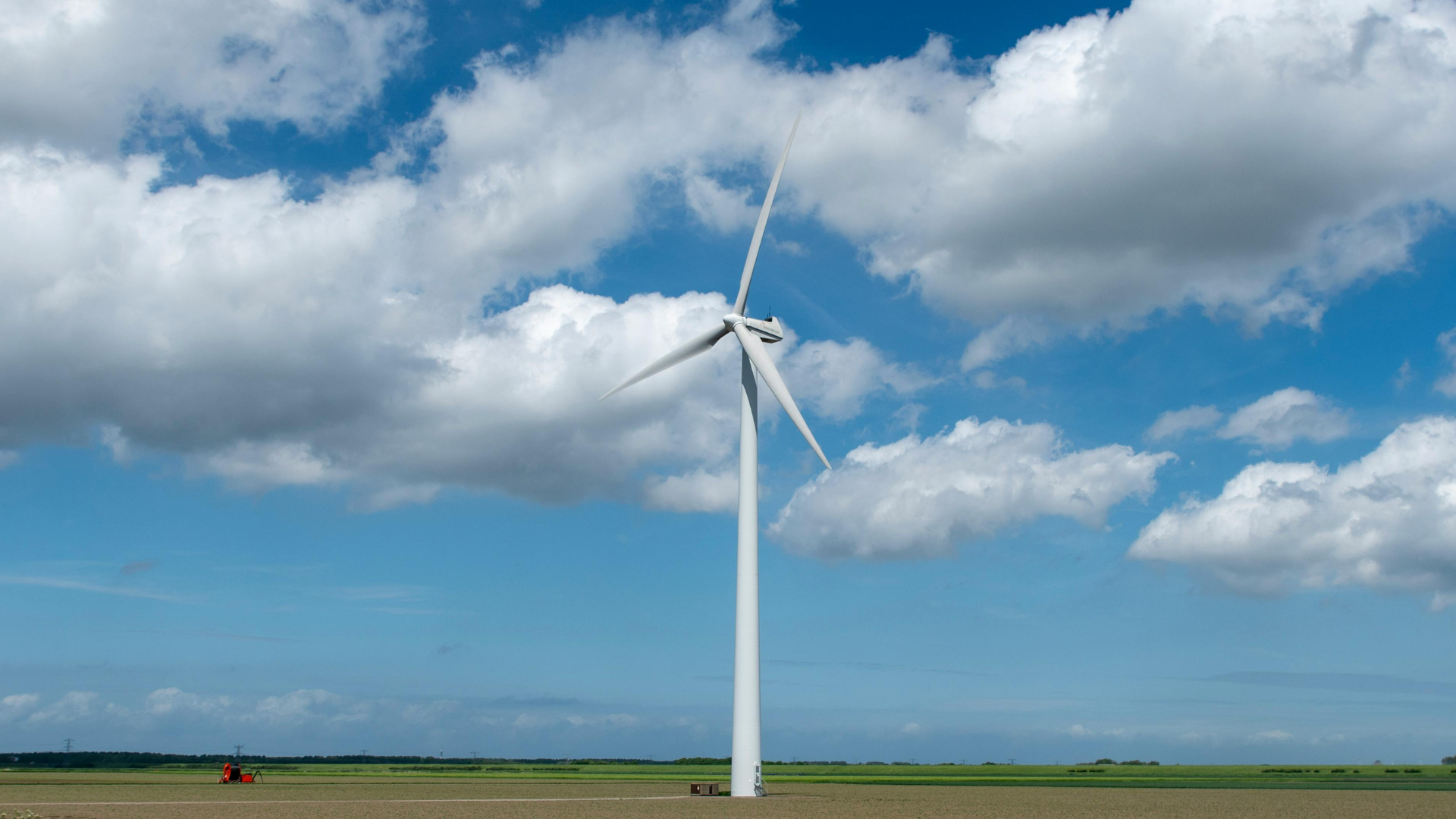
Develop an Electrification Framework Towards Sustainable Mining
Supervisors: Minghan Xu and Kamran Esmaeili
The mining industry relies heavily on fossil fuels to meet its high energy demands for electric, motive, and thermal power. Although Canada has one of the cleanest electricity grids, many mines remain carbon-dependent due to limited grid access in remote areas of Northern Canada, and renewable alternatives are often prohibitively expensive. This project enables mines to transition from fossil fuels to renewable energy sources by quantifying and analyzing mine energy supply and site-specific conditions, and by developing an electrification framework that hybridizes renewable energy generation with electrochemical and thermal energy storage to maintain a consistent power supply even when renewable generation is intermittent. Students help develop novel mine electrification frameworks, implement them in commercially available mine design software, and present their findings, contributing a pathway for sustainable mining practices that support Canada's Net-Zero target by 2050.

Renewable Heating and Cooling in Northern Mines
Supervisor: Minghan Xu
Heating and cooling account for almost half of the total energy costs in northern mines in Canada. In underground mines, heating is essential to prevent shaft freezing and ensure mine safety during winter, while deep mines require cooling as working temperatures rise due to rock temperature and auto-compression effects. Traditional methods, such as burning propane or natural gas, contribute significantly to carbon emissions and are subject to provincial carbon taxes. Spray freezing technology, a novel renewable energy solution, uses the latent heat of water solidification to heat air by injecting water droplets into a subarctic airflow, forming ice packs that can later serve as cooling sources. In this project, students help develop a new modelling framework for spray freezing in mine heating and cooling, compare it with existing and experimental data, and present their findings.

Artificial Ground Freezing for Permafrost Protection in a Changing Climate
Supervisor: Minghan Xu
The average temperature in Northern Canada has been rising nearly three times faster than the global average, putting permafrost, the frozen ground that underlies nearly half of Canada's territory, at risk of thawing and threatening the built environment and the mining operations that are the lifeblood of many northern communities. Artificial ground freezing (AGF) is a geotechnical support method widely used to stabilize ore deposits, protect underground infrastructure, seal hazardous waste, and prevent permafrost from thawing. This project develops rule-of-thumb thermomechanical predictions of AGF to facilitate industrial design and optimization of AGF in mines. Students build multiphysics models using commercial software, help establish new physics-based correlations that account for climate change scenarios, and present their findings through academic reports.
Career Outlook
A CivMin MEng from the #1 Civil Engineering program in Canada can open up a world of opportunities and supercharge your career. The University of Toronto is ranked #12 globally for graduate employability by Times Higher Education, and our alumni have secured exciting roles at a wide variety of top companies including Hatch, WSP, Aecon, Kiewit and Metrolinx.


































An MEng degree from U of T places you at the centre of an immense and invaluable alumni network. Combined with our strong industry connections and esteemed reputation, a CivMin MEng offers you almost infinite opportunities for support, professional growth and advancement throughout your career.
Graduates of the MEng who specialize in Mining Engineering will be entering a sector facing a generational demand for talent. Our department has deep roots in the industry. We are home to the Lassonde Mineral Engineering program, ranked third in Canada and one of the country's most respected undergraduate mining programs, and alumni of our mining and geomechanics programs work with leading organizations such as Vale, Kinross Gold, Agnico Eagle, BGC Engineering, Hatch, Rocscience, and many others. This emphasis prepares you for roles across the entire mine life cycle: mine design and planning, rock engineering and ground control, mine waste and tailings management, technical services, project evaluation, and consultancy. As Canada pursues its critical mineral ambitions, mining engineers who understand economics, sustainability, and ESG alongside their technical training will be in especially high demand across industry, consulting, and government.
Potential Career Pathways
Mine design and optimization engineers develop and refine the plans that govern how a mineral resource is extracted, balancing orebody knowledge, technology, economics, and risk. They use optimization and stochastic simulation tools to maximize value across the life of a mine, from cut-off grade decisions to mine-to-mill process performance.
Suggested pathway to prepare for a career as a mine design and optimization engineer: MIN520H1, CIV1497H, CIV1498H, CIV1404H

AI within the Mining Engineering MEng
Build fluency in data analytics, machine learning and AI through world-class courses, projects, and connecting to the U of T AI community.
Few industries are investing in data and automation as aggressively as mining, as operations pursue digital mine design, automation, and sustainability. Modern mines generate continuous streams of data, from drillhole and orebody models to fleet telemetry, microseismic monitoring, and processing plant sensors, creating powerful opportunities for machine learning and AI in orebody modelling and resource estimation, mine plan optimization under uncertainty, equipment automation and predictive maintenance, ground control monitoring, and energy and emissions management. In the Mining Engineering emphasis, students encounter these tools in courses on mine optimization, where stochastic simulation is used to quantify uncertainty and manage risk, and in numerical modelling courses that increasingly integrate data-driven methods, preparing them for an industry that is actively recruiting engineers who can bridge mining and data science.

Discover other complementary Emphases to
boost your Master of Engineering experience